The YMFG Group endorsed the recommendations of the Task Force on Climate-related Financial Disclosures (TCFD)* and joined the TCFD Consortium in December 2021, and has implemented disclosure in line with the TCFD recommendations since FY2022.
Going forward, the Group will further enhance the quality and scope of its disclosures, taking into account the future application of the Sustainability Standards Board of Japan (SSBJ) standards.
* Task Force on Climate-related Financial Disclosures (TCFD):
A private-sector, market‑led task force established by the Financial Stability Board (FSB) in 2015 at the request of the G20 to promote consistent, comparable, and decision‑useful climate‑related financial disclosures by companies and other organizations.
Facing a marked increase in the severity and frequency of abnormal weather events and natural disasters associated with the progression of climate change, we recognize that responding to climate change is a common global issue.
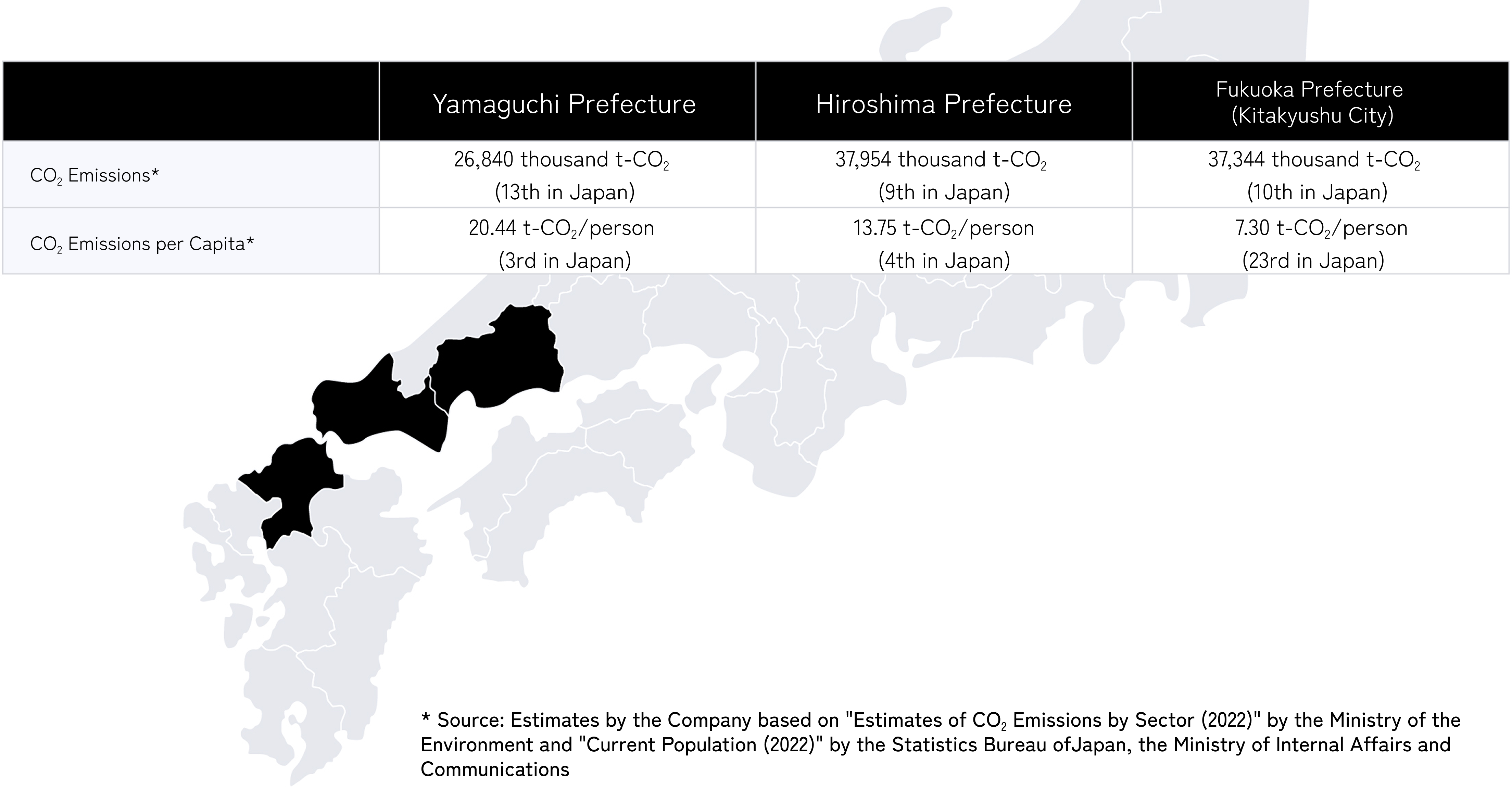
Our main sales area, which covers Yamaguchi Prefecture, Hiroshima Prefecture, and Fukuoka Prefecture, is also home to industrial complexes along the Seto Inland Sea coast and in the Kitakyushu region. Due to the industrial structure in which factories in GHG-intensive industries are concentrated, mainly for major listed companies and their supply chains, the CO2 emissions levels in the area are higher than the national average.
In light of this situation, the Group has identified “response to air pollution and climate change” as one of its materiality items and regards responding to climate change as an important management issue.
Governance related to our response to climate change is incorporated into our governance of all sustainability matters. The Board of Directors is responsible for supervising the status of identification and management of climate-related risks and opportunities, as well as the status of various initiatives led by the “Environmental Countermeasure Working Group,” which has been established as a subordinate organization to the Sustainability Promotion Committee.
(1) Climate-related Risks
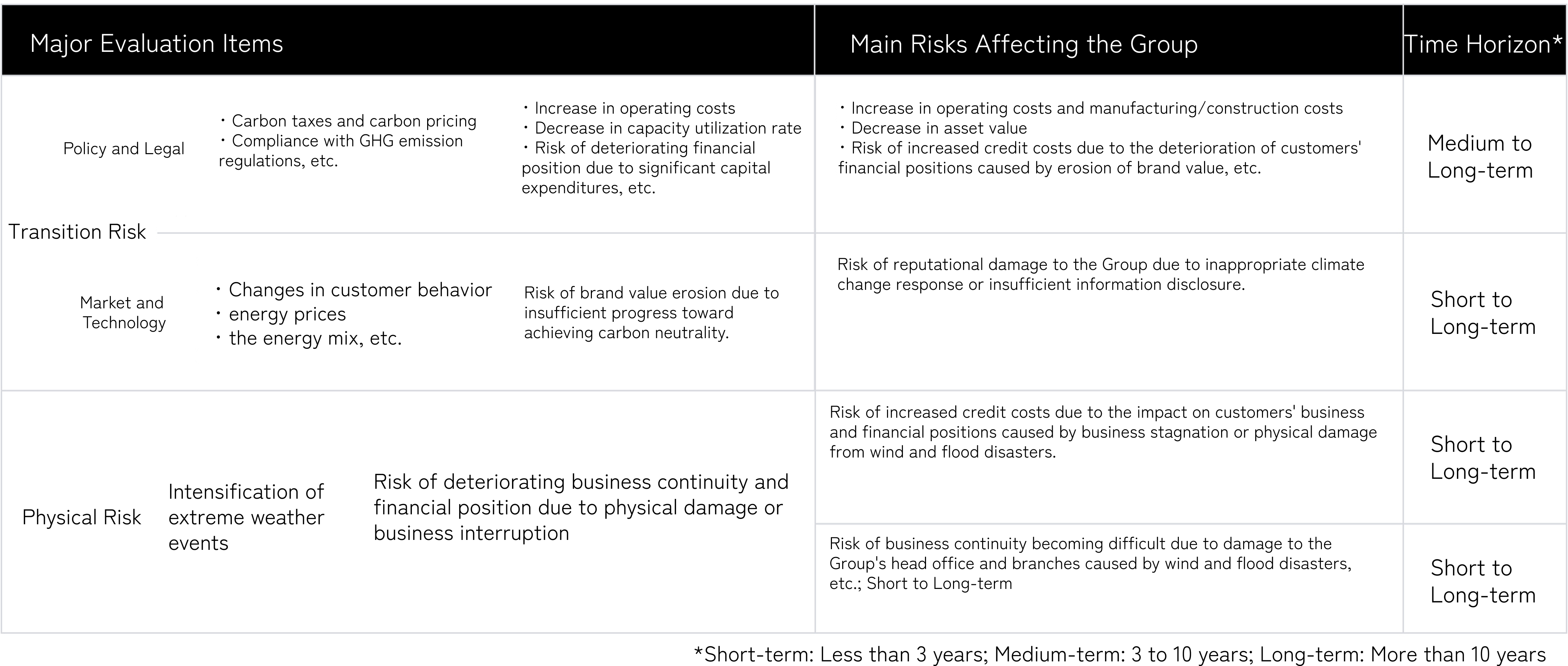
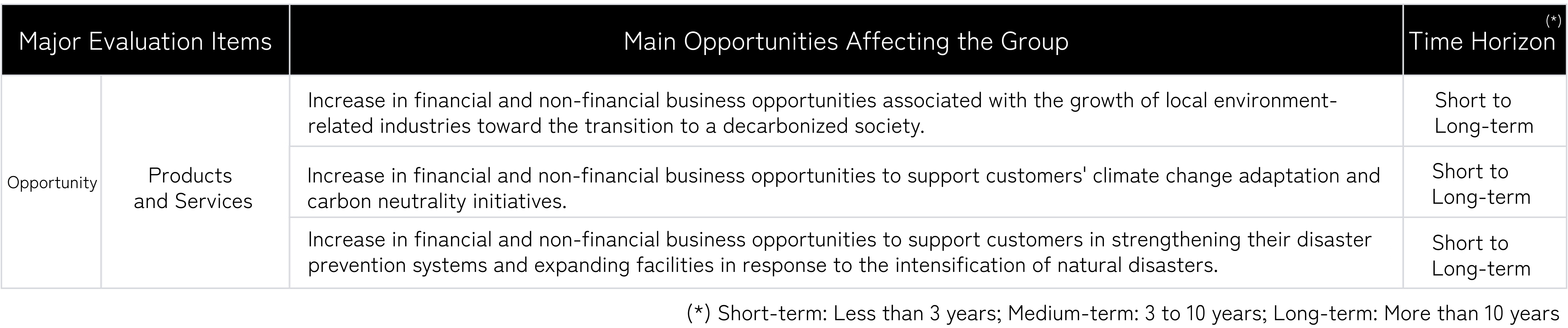
Based on the Group’s business characteristics and the regional characteristics of our main areas, we have identified risks and opportunities associated with climate change on a short-term (under 3 years), medium-term (3 to 10 years), and long-term (over 10 years) time scale as below.
(2) Scenario Analysis
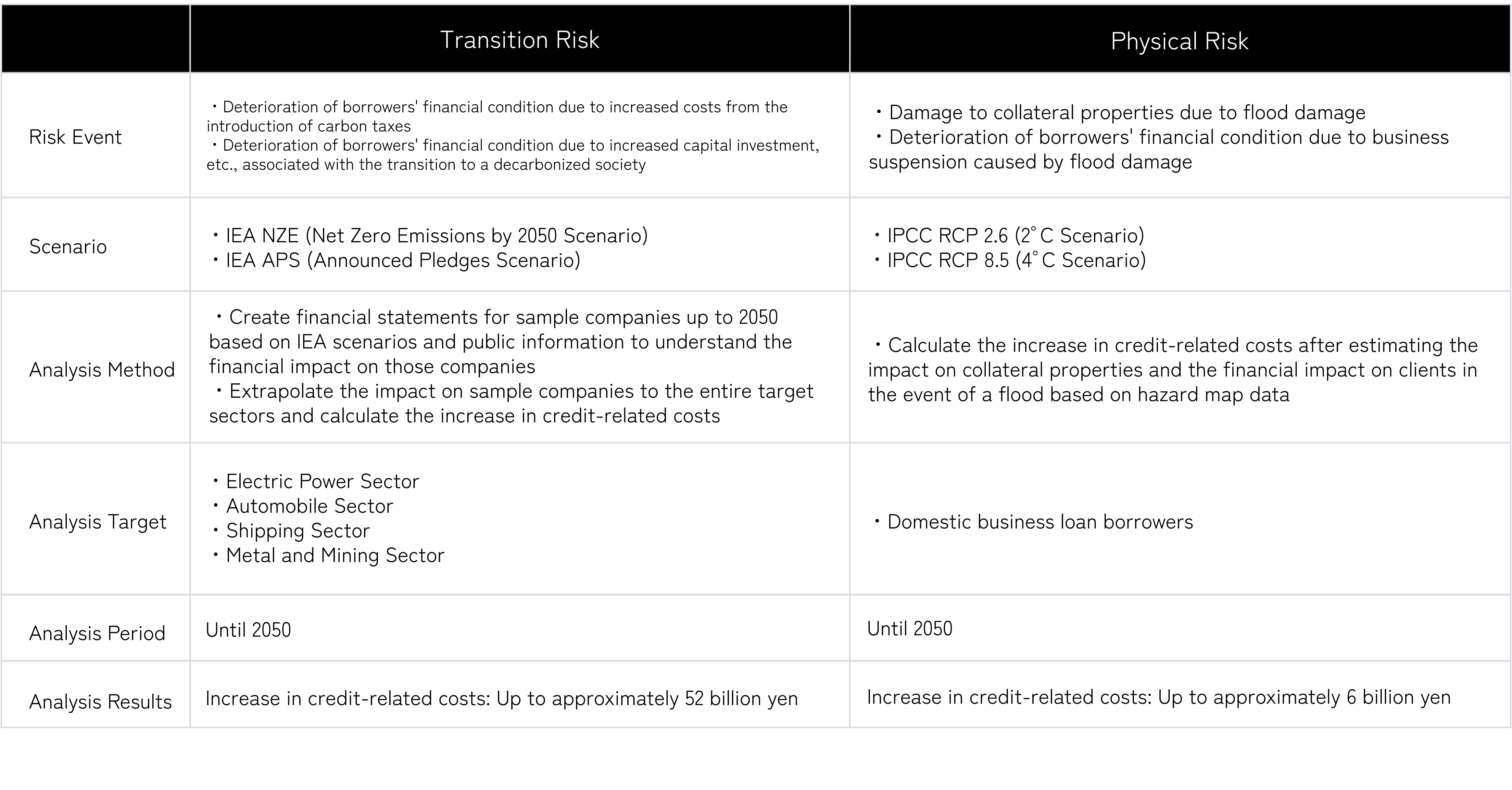
To assess and understand the impact of climate‑related risks—specifically transition risks and physical risks—on its business, the YMFG Group conducts scenario analysis using multiple climate‑related scenarios.
(3) Carbon-related Assets
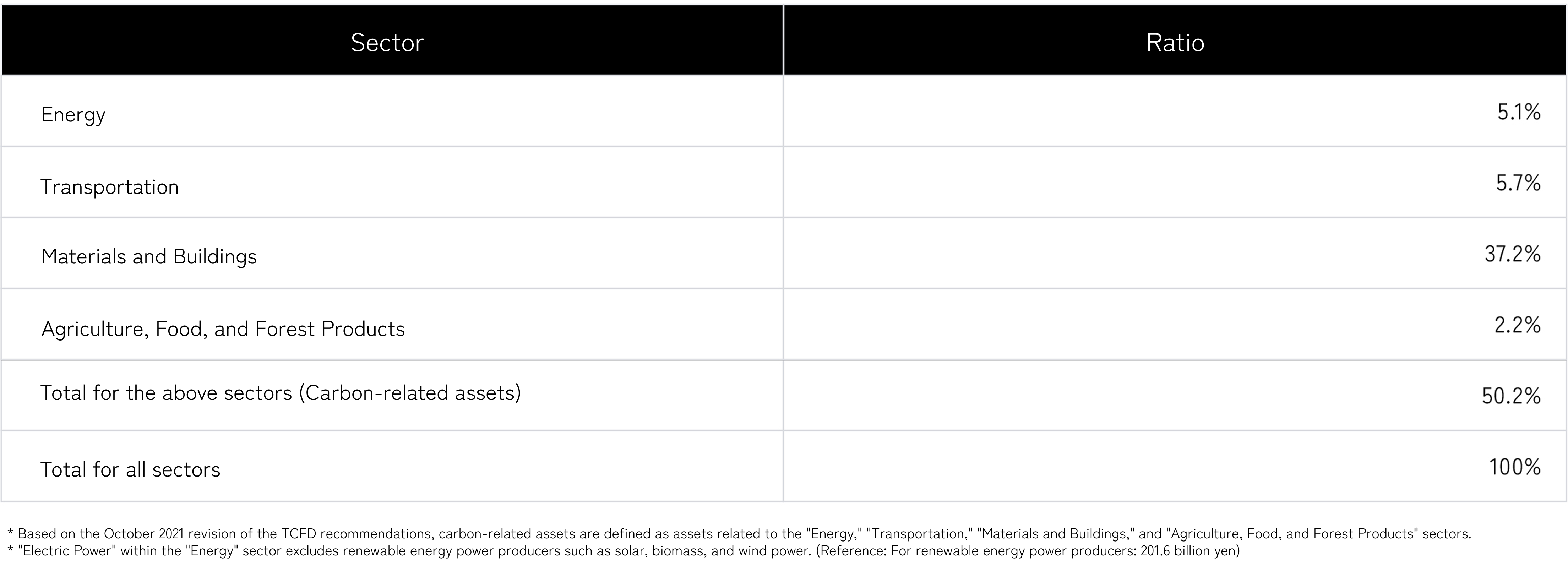
In line with the TCFD recommendations, the YMFG Group calculates the proportion of carbon‑related assets in its loans and other credit exposures as part of its efforts to identify and assess climate‑related risks. As of March 31, 2025, carbon‑related assets accounted for 50.2% of the Group’s loans and other credit exposures.
(1) Climate-related Opportunities
We identify climate-related opportunities over short-, medium-, and long-term horizons.
(2) Financial and Non-financial Solutions
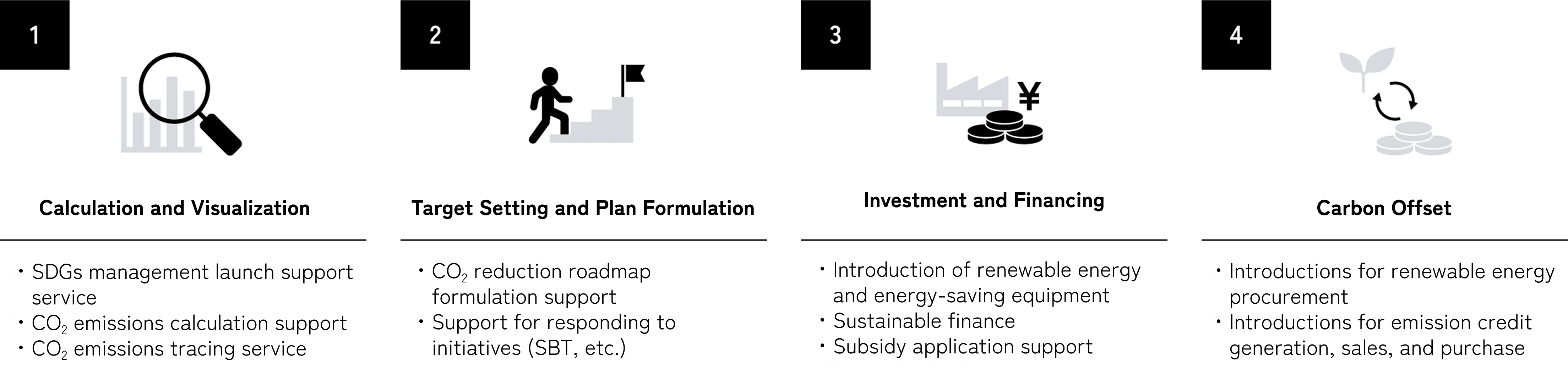
The Group views society’s response to climate change as an opportunity and provides a wide range of financial and non-financial solutions to support customers’ initiatives toward carbon neutrality and the reduction of GHG emissions.
We will further strengthen initiatives in collaboration with local governments and other stakeholders to accelerate progress toward regional carbon neutrality.
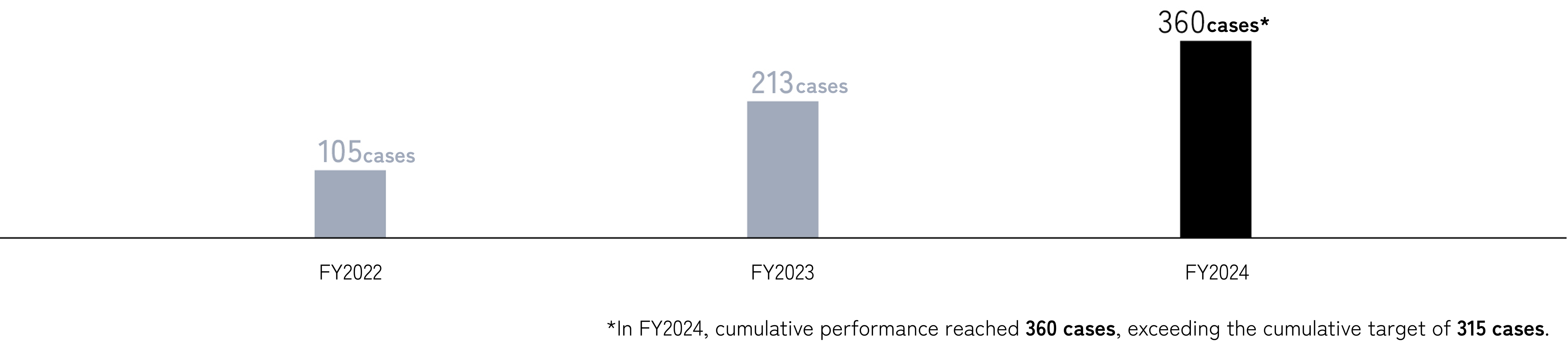
Cumulative Number of Customers Advancing Carbon Neutrality (Group‑wide)
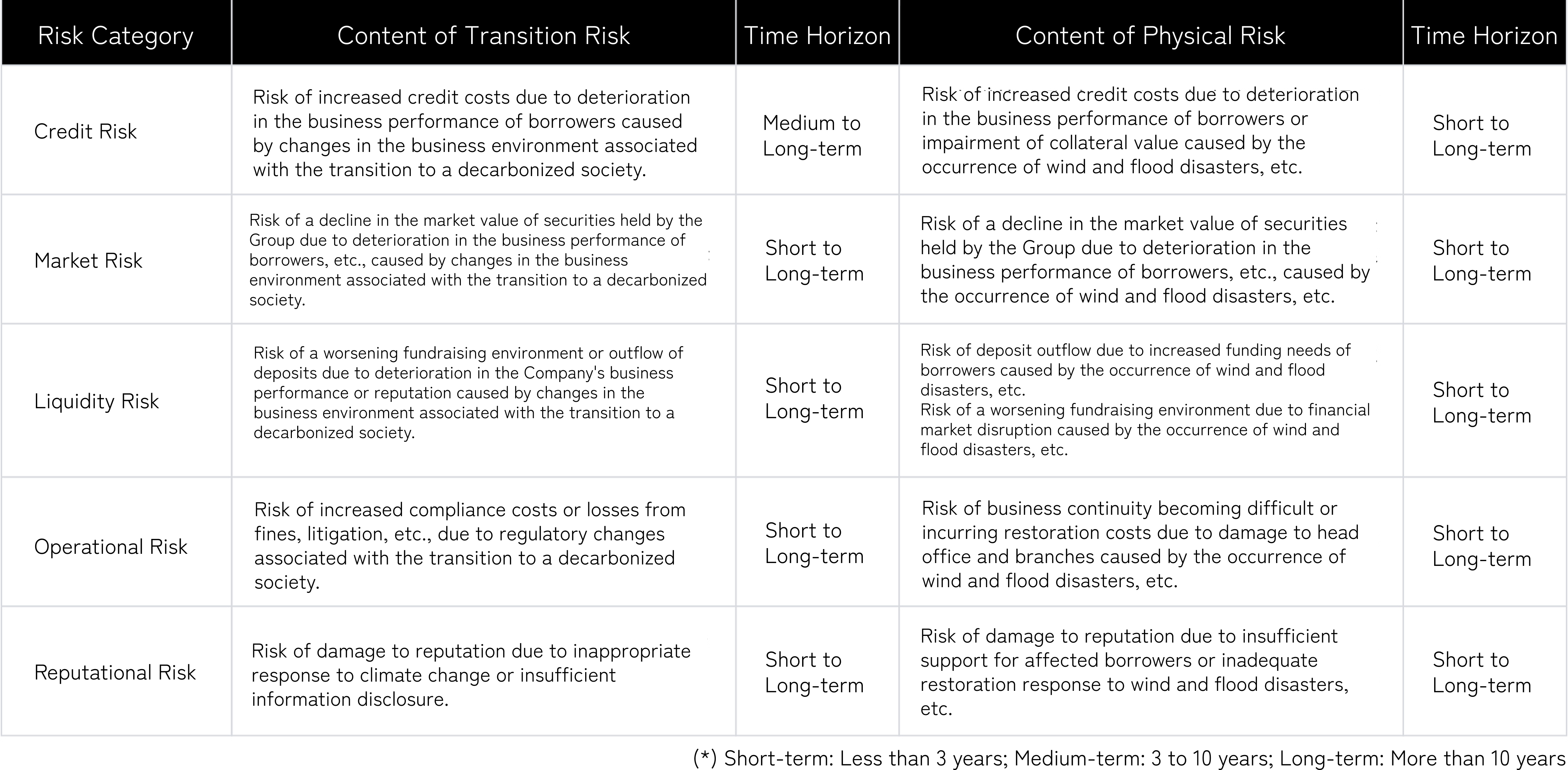
Climate‑related risks have the characteristic of acting as risk drivers that permeate multiple risk categories—including credit risk, market risk, liquidity risk, operational risk, and reputational risk—and ultimately materialize within each respective risk category.
Taking these characteristics into account, the YMFG Group has incorporated climate‑related risks into its integrated risk management framework and has established a management structure under which risks are managed within each risk category in accordance with the manner in which they materialize.
With respect to climate‑related risks that materialize within each risk category—namely transition risks and physical risks—the Group recognizes and assesses these risks across short‑term, medium‑term, and long‑term time horizons, as outlined below.
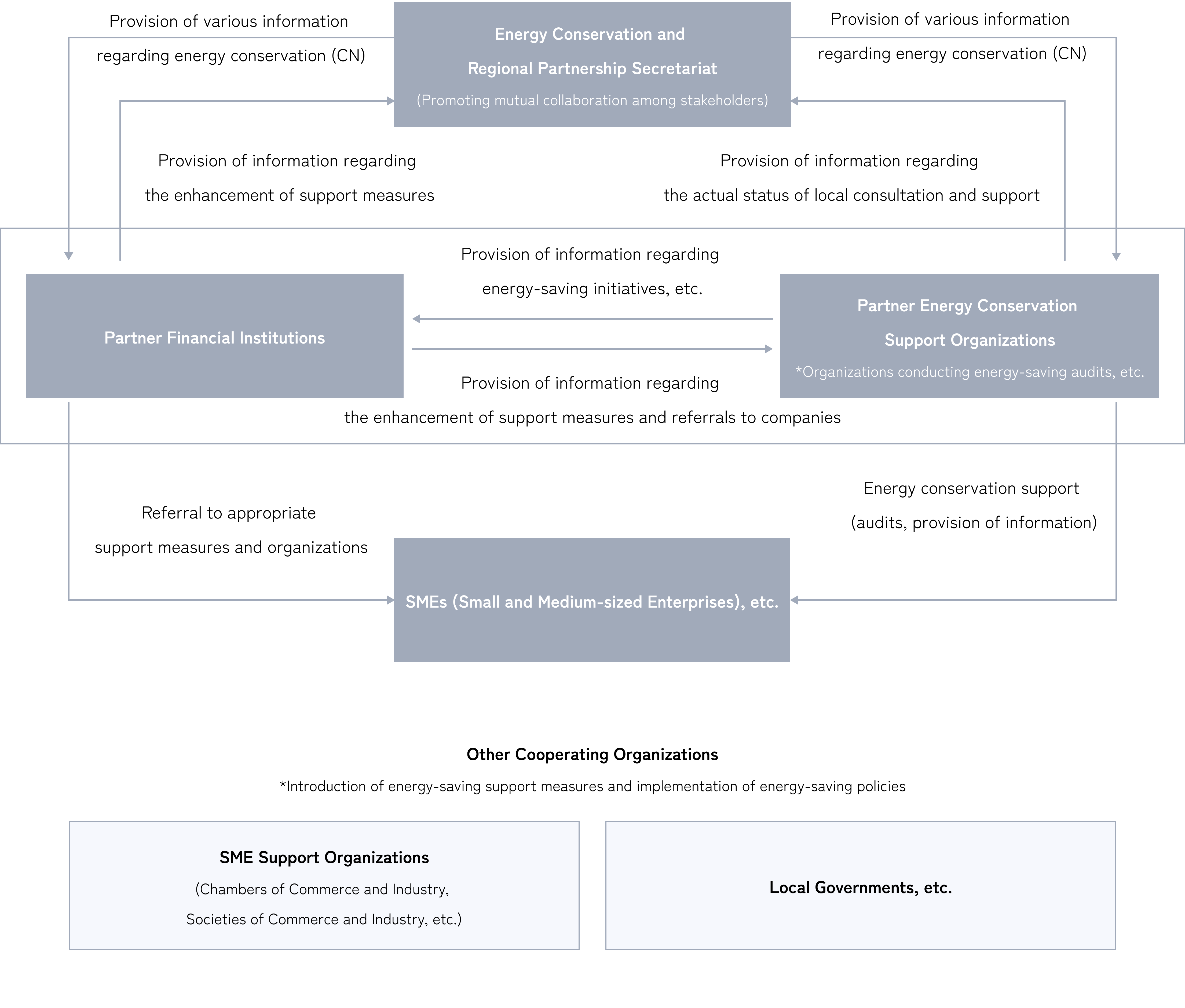
Energy conservation is an important initiative that not only directly contributes to reducing energy costs but also represents a first step toward achieving carbon neutrality.
To support energy conservation efforts among small and medium-sized enterprises (SMEs) and other regional businesses, we will take the following actions. By doing so, we aim to walk alongside our communities as a trusted and accessible partner and contribute to the promotion of energy conservation across the region.
-
We will assess the actual status of energy conservation initiatives undertaken by regional SMEs and other businesses, and provide appropriate and continuous support tailored to their needs.
-
As a close and accessible point of contact for regional SMEs and other businesses, we will respond carefully to consultations on energy conservation.
By collecting information on support measures—such as energy-saving diagnostics and support for the introduction of energy-efficient equipment—we will provide advice and proactively share relevant information with regional businesses. -
When necessary, we will collaborate with other relevant organizations to develop support measures that align with the specific needs of regional SMEs and other businesses.
-
To ensure the effectiveness of these initiatives, we will strive to enhance our knowledge of energy conservation and strengthen our ability to propose appropriate solutions.
Climate change–related risks have characteristics as risk drivers that propagate across risk categories such as credit risk, market risk, liquidity risk, operational risk, and reputational risk, and materialize within each of these risk categories.
In light of these characteristics, the Group incorporates climate-related risks into its integrated risk management framework and manages them within each relevant risk category according to the nature of the risks as they materialize.
Furthermore, the Group identifies climate-related risks, including transition risks and physical risks, across short-, medium-, and long-term time horizons within each risk category, as described below.
Furthermore, with respect to investments and lending to specific sectors that may have adverse environmental or social impacts, the Group acts in accordance with its “Environmentally and Socially Responsible Investment and Lending Policy” and strives to mitigate and avoid negative impacts on the environment and society.
Since May 2022, no investments or loans have been made that conflict with this policy.
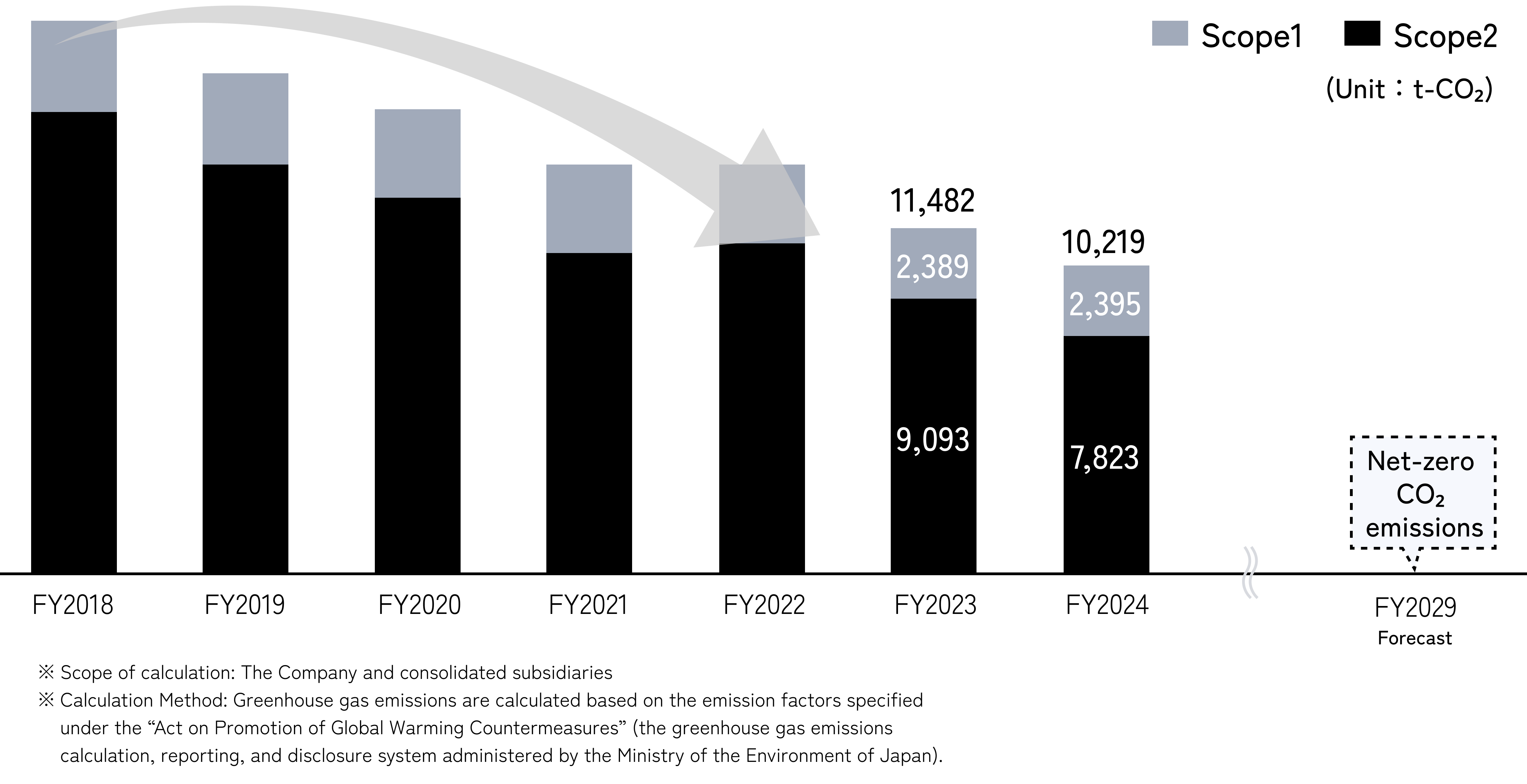
(1) Scope 1 and Scope 2 Emissions
In November 2022, the Group announced a medium- to long-term target of achieving net-zero CO2 emissions (Scope 1 and Scope 2) by FY2030 as part of its efforts to achieve carbon neutrality, and has been working to reduce CO2 emissions. Under the YMFG Medium-Term Management Plan (FY2025–FY2029), which commenced in FY2025, we aim to achieve net-zero CO2 emissions (Scope 1 and Scope 2) one year ahead of schedule, by the final year of FY2029.
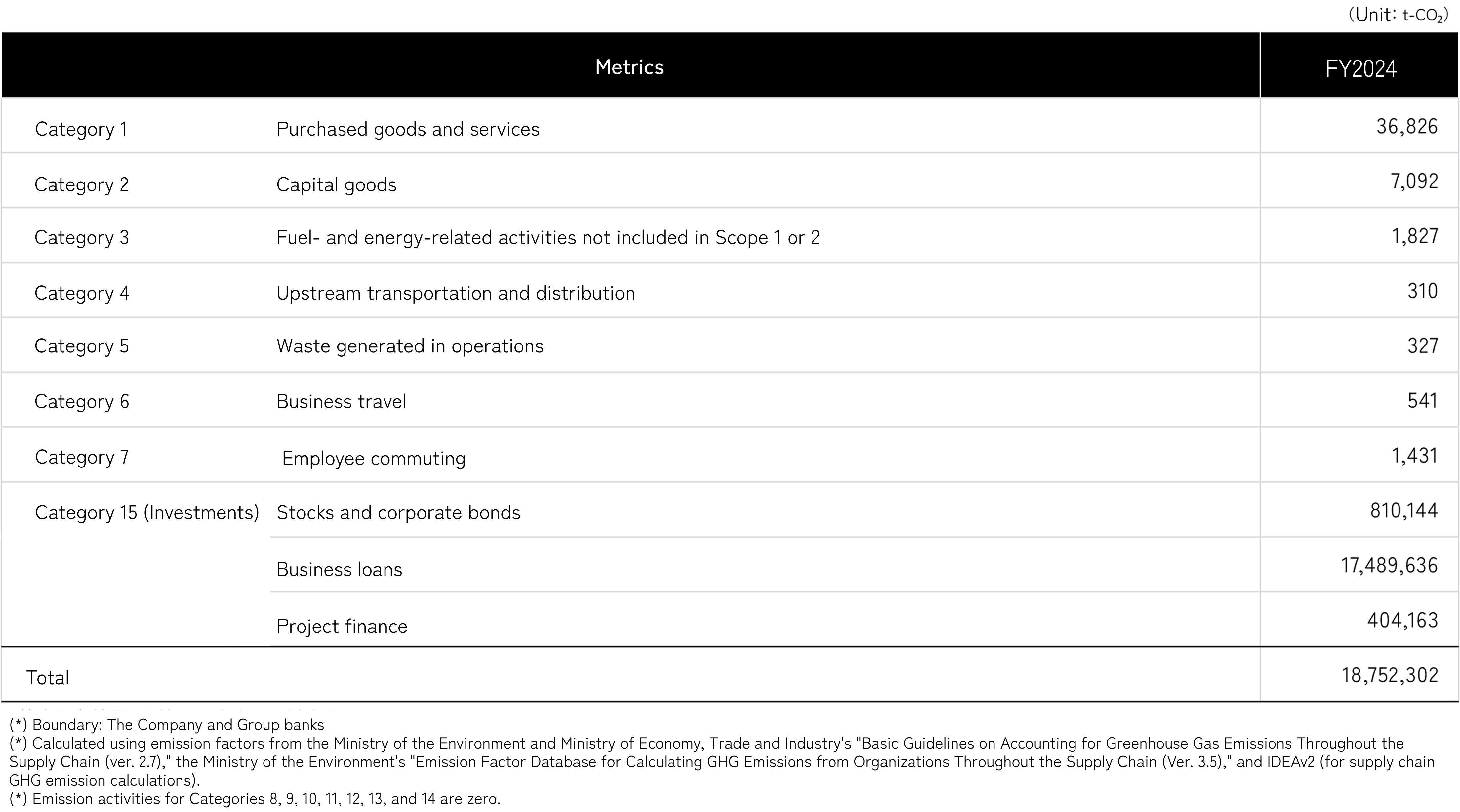
(2) Scope 3 Emissions
We began calculating Scope 3 emissions in FY2023.
In FY2024, the calculation scope covers Yamaguchi Financial Group and its banking subsidiaries (The Yamaguchi Bank, The Momiji Bank, and The Kitakyushu Bank); we will continue to expand the scope and enhance the accuracy of our calculations.
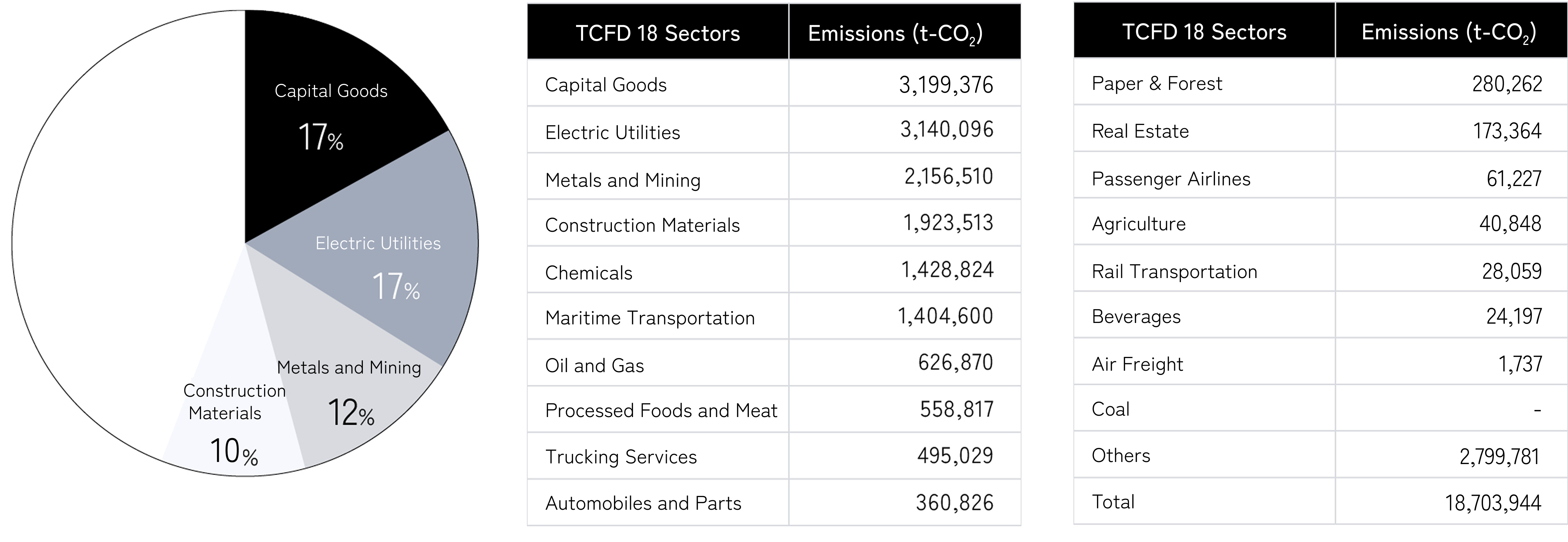
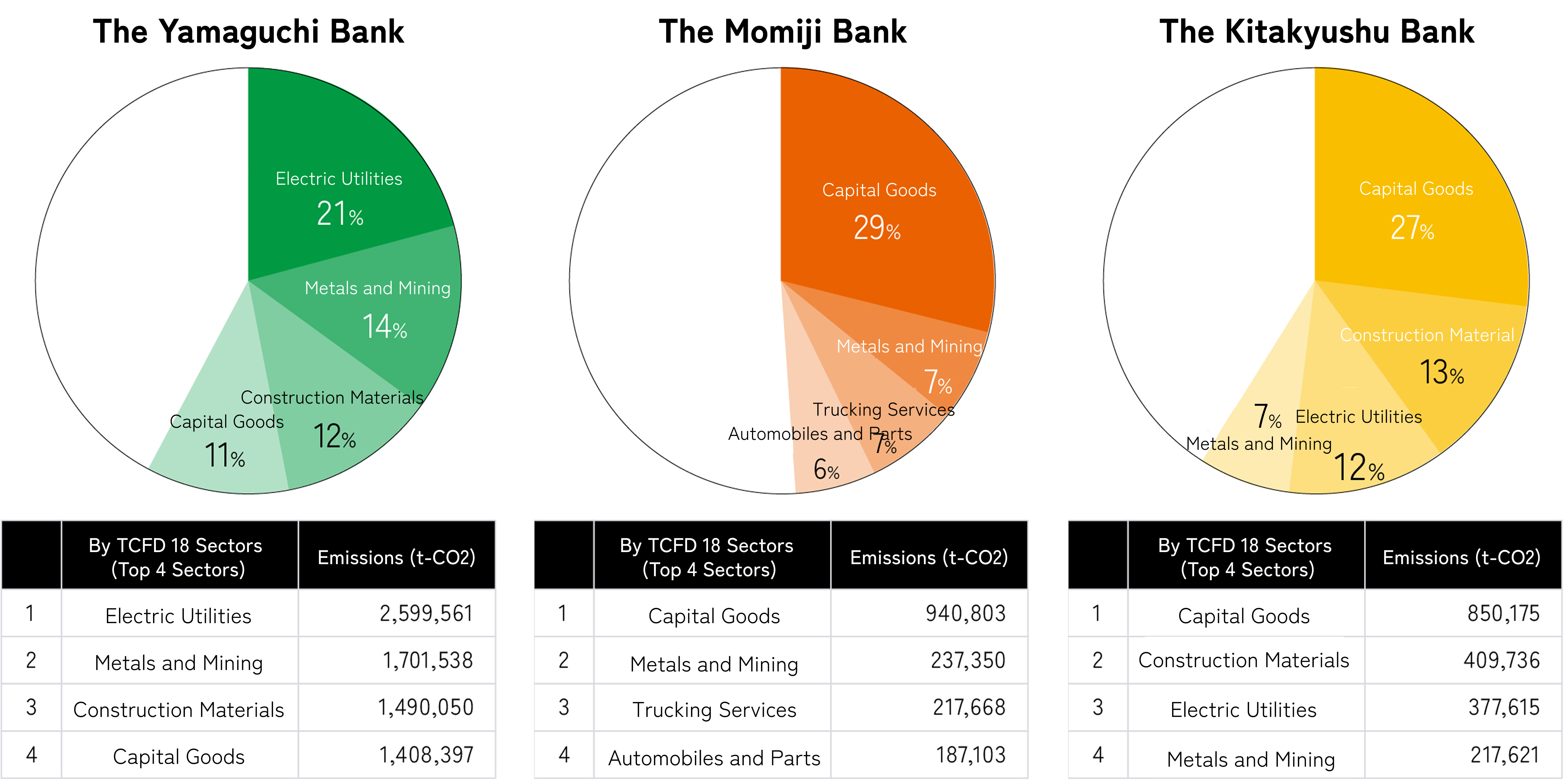
(3) Scope 3 Category 15 (Investments and Loans)
Due to the nature of financial institutions’ business activities, the majority of CO2 emissions across the value chain fall under Scope 3 Category 15 (investments and lending). Accordingly, the Group, which comprises three banking subsidiaries, recognizes the importance of continuously monitoring and understanding Scope 3 Category 15 emissions.
In FY2024, calculations were conducted for equity and corporate bond investments, corporate lending, and project finance at the Group’s banking subsidiaries.
In calculating emissions on an individual company basis, we use a combination of two methodologies: bottom-up analysis (Note 1) and top-down analysis (Note 2).
*Note 1: Bottom-up analysis refers to a method of calculating emissions by obtaining disclosed information from individual companies and reflecting their actual business activities.*
*Note 2: Top-down analysis refers to a method of estimating emissions using average carbon intensity by industry (emissions per unit of revenue) of the investee or borrower.*
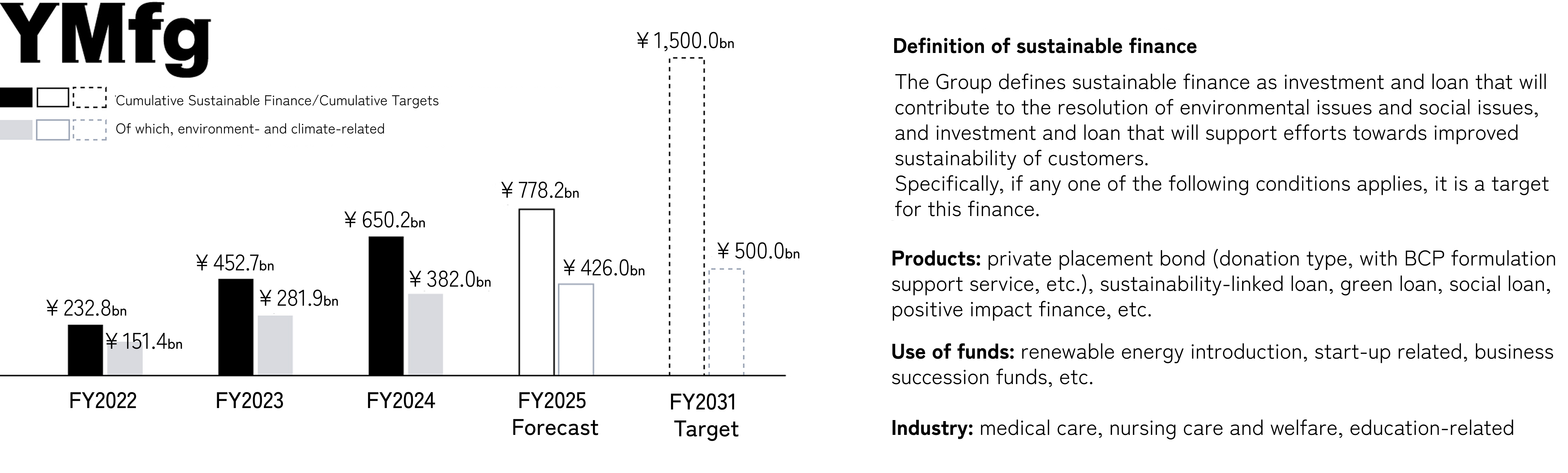
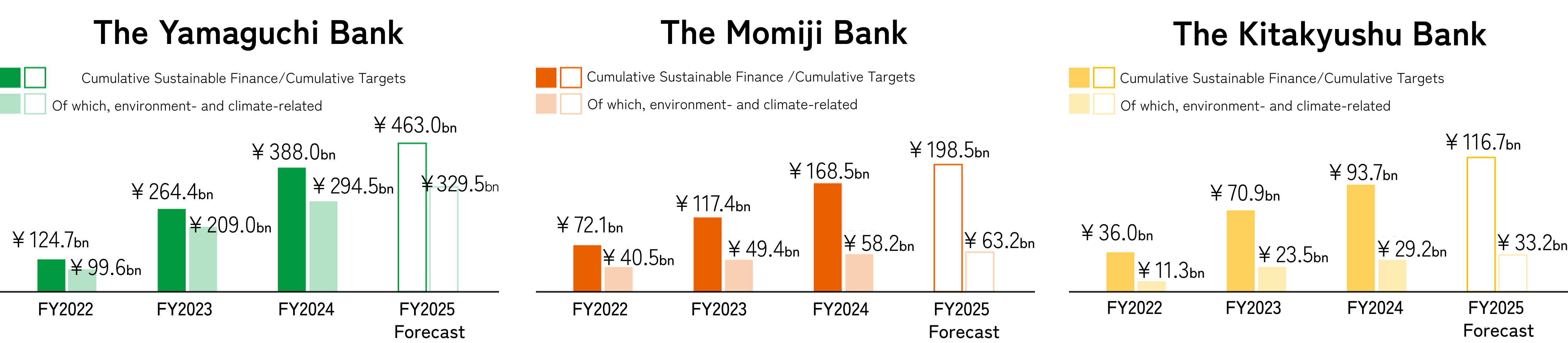
We have set a cumulative sustainable finance execution target of ¥1.5 trillion through FY2031.
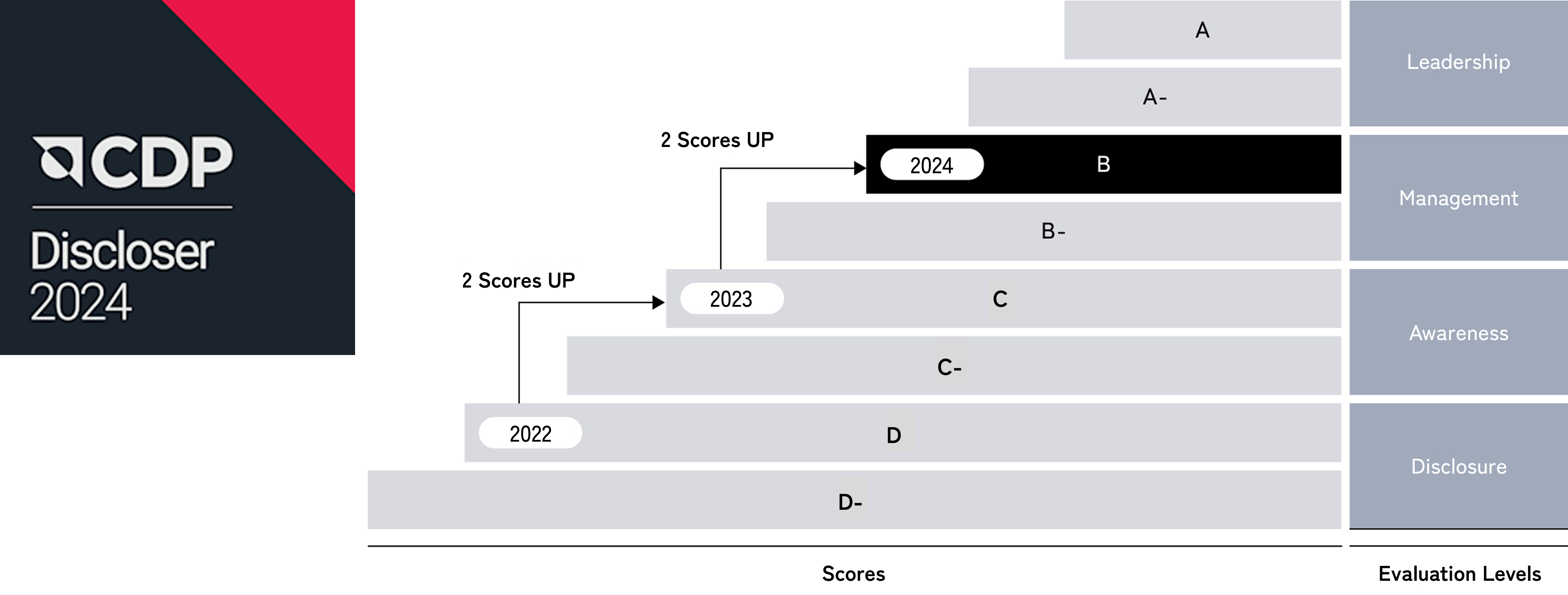
The Group has responded annually to the CDP Climate Change questionnaire, an international non-profit organization focused on environmental information disclosure, since 2022.
In 2024, the Group received a “B” score, representing an improvement of two score levels from the “C” score in 2023.
*Note: Among the eight CDP score levels (A, A-, B, B-, C, C-, D, D-), a “B” score is the third highest rating. It represents the Management level, indicating that the organization understands and takes action on its environmental risks and impacts.*
Through endorsement of the initiatives listed below, the Group will promote efforts toward carbon neutrality and further enhance its disclosures.